Course Details
Course Code
Course Duration
Start Date
Study Mode
Submit Course Enquiry
What Is a Certificate II in Automotive Air Conditioning Technology (AUR20220)?
The Certificate II in Automotive Air Conditioning Technology (AUR20220) qualifies you to service and repair air conditioning in cars and heavy vehicles, and to apply for the licence you need before you can handle refrigerant.
There are no entry requirements for AUR20220, so you can start without a trade behind you. Most students do have one. They are mechanics, auto electricians and heavy vehicle technicians adding a licensed capability to the work they already do.
What you do need is a workplace with the right equipment, because training and assessment happen on the job. You may be a supervisor yourself, and industry experience is not necessary. A few units have prerequisite units, and we check those, along with your language, literacy and numeracy, when you enrol.
Across 13 units you will learn to diagnose why a system is not getting cold, test pressures and temperatures, find leaks and recover refrigerant safely. You will also cover the electrical side, reading vehicle wiring diagrams and tracing faults in the circuits that run the system.
Finish the course and you can apply to the Australian Refrigeration Council for an AAC02 refrigerant handling licence. That licence covers air conditioning fitted to the cabin of a motor vehicle. Handling refrigerant without one is against the law.
Submit Course Enquiry

Units Of Competency
AUR20220 is 13 units. Six are core and every student completes them. The other seven are electives, and which electives you do decides what your licence covers.
- AURAEA002 Follow environmental and sustainability best practice in an automotive workplace
- AURASA102 Follow safe working practices in an automotive workplace
- AURETR112 Test and repair basic electrical circuits
- AURETU103 Service air conditioning and HVAC systems
- AURETU104 Diagnose and repair air conditioning and HVAC components
- AURTTA118 Develop and carry out diagnostic test strategies
AUR20220 is 13 units. Six are core and every student completes them. The other seven are electives, and which electives you do decides what your licence covers.
- AURAFA002 Read and respond to automotive workplace information
- AURAFA103 Communicate effectively in an automotive workplace
- AURETR006 Solder electrical wiring and circuits
- AURETR116 Read and apply vehicle wiring schematics and drawings
- AURETU102 Recover vehicle refrigerants
- AURTTC103 Diagnose and repair cooling systems
- AURTTK102 Use and maintain tools and equipment in an automotive workplace
Why Automotive Air Conditioning Work Is Growing
Three things are driving it.
The Sector Grew 7.8% Last Year
Automotive grew faster than any other licensed refrigerant sector in 2024 to 2025. There are 33,092 automotive licences on issue, the largest refrigerant licence type in the country.
600 Tonnes of Refrigerant a Year, Through to 2036
Close to 19.9 million Australian vehicles carry air conditioning, about 99% of passenger and light commercial vehicles. The Department of Climate Change expects the aftermarket to need more than 600 tonnes of refrigerant a year for the next decade.
Electric Vehicles Use More Refrigerant
An electric vehicle holds about 840 grams of refrigerant, against 620 grams in a standard vehicle system, because the same loop that cools the cabin also cools the battery pack. Battery electric vehicles were 24.9% of new car sales in August 2026, and 36% counting plug-in hybrids. Every one of them arriving in a workshop carries more gas than the car it replaced.

Where This Licence Takes You
The licence is used right across the automotive trade. The national register calls the job an Automotive Air Conditioning Serviceperson. It is a specialist qualification that sits alongside a mechanical trade.
General Repair Workshops
Diagnosing and repairing air conditioning alongside the workshop’s other jobs.
Air Conditioning Specialists
Businesses doing air conditioning all day, including mobile operators who travel to customers and other workshops.
Truck and Heavy Vehicle Workshops
Cab HVAC and air conditioning on trucks, buses and heavy commercial vehicles.
Fleets and Plant
Keeping air conditioning running across a vehicle fleet, or on heavy equipment and machinery.
Dealerships
Servicing and repairs alongside the other technicians in a franchised workshop.
Upskill Your Team
A workshop needs a licensed technician to carry out air conditioning work. Where nobody holds the licence, those jobs go to another business, and the diagnostic work goes with them.
Putting your technicians through AUR20220 brings that work in house. Air conditioning also generates repeat work, once when a system fails and again when it is due for a service.
Training runs in your own workshop on your own equipment, so your team stays on the tools. We will work the schedule around your jobs.
Recognition of Prior Learning (RPL)
Already doing air conditioning work in a workshop? You might not need the whole course.
RPL converts your existing experience into AUR20220. We assess what you already know against the unit requirements. Where you’re competent, the unit is awarded. Where there are gaps, you do targeted gap training for those units only.
If you’ve been doing the work without the formal paper, this is the most direct way to formalise it.
We accept evidence like this.
- Your existing trade qualification or statements of attainment (often eligible for Credit Transfer)
- Employer references and statutory declarations
- Photos or video of work you’ve completed
- Job sheets, logbooks or service records
How the Process works
- Enquiry
call us or submit a contact form - Training Needs Analysis
A short interview mapping your experience to the AUR20220 units. - Evidence submission
You compile your portfolio of work, references and certificates. - Assessment
A trainer reviews your evidence against the unit requirements. - Gap training
Only where your evidence doesn’t cover specific units. - Qualification issued
Qualification issued. AUR20220 awarded.
Not sure if your background qualifies? Get in touch and we’ll walk you through it.
Funding Options
AUR20220 is government-subsidised in Queensland and New South Wales. Depending on your eligibility, you may pay a fraction of the full fee.
Trainees under state funding need to be employed in an industry workplace with access to the equipment and to a workplace supervisor.
- Queensland (Career Start)
AUR20220 is a declared traineeship in Queensland, funded through Career Start. The government pays part of your fee and you pay a co-contribution. Concession card holders and Aboriginal and Torres Strait Islander students may pay less. - New South Wales (Smart and Skilled)
AUR20220 sits on the NSW Skills List, and the traineeship pathway is fee free for eligible students. - Other states
Fees are set at enrolment based on your eligibility. We’ll confirm your entitlements before you commit to anything.
Not eligible for a subsidy? Interest-free payment plans are available. No deposit, no interest, no eligibility requirements, paid weekly, fortnightly or monthly over six months. Visit our payment options page for the full breakdown.

Why Study With Outsource Institute
-
Training That Comes to You
The workplace is our classroom. Your trainer comes to your job site, anywhere from Cairns to Hobart. You learn on the equipment you already use. You keep working while you study.
-
Family-Owned Since 1998
We’ve trained workforces in mining, defence and manufacturing since 1998. That’s 28 years. Our trainers come from the trades they teach. We’re also ISO 9001:2015 certified for quality management.
Submit Course Enquiry
Your Trainers
You’ll learn from trainers who’ve spent their careers in engineering.
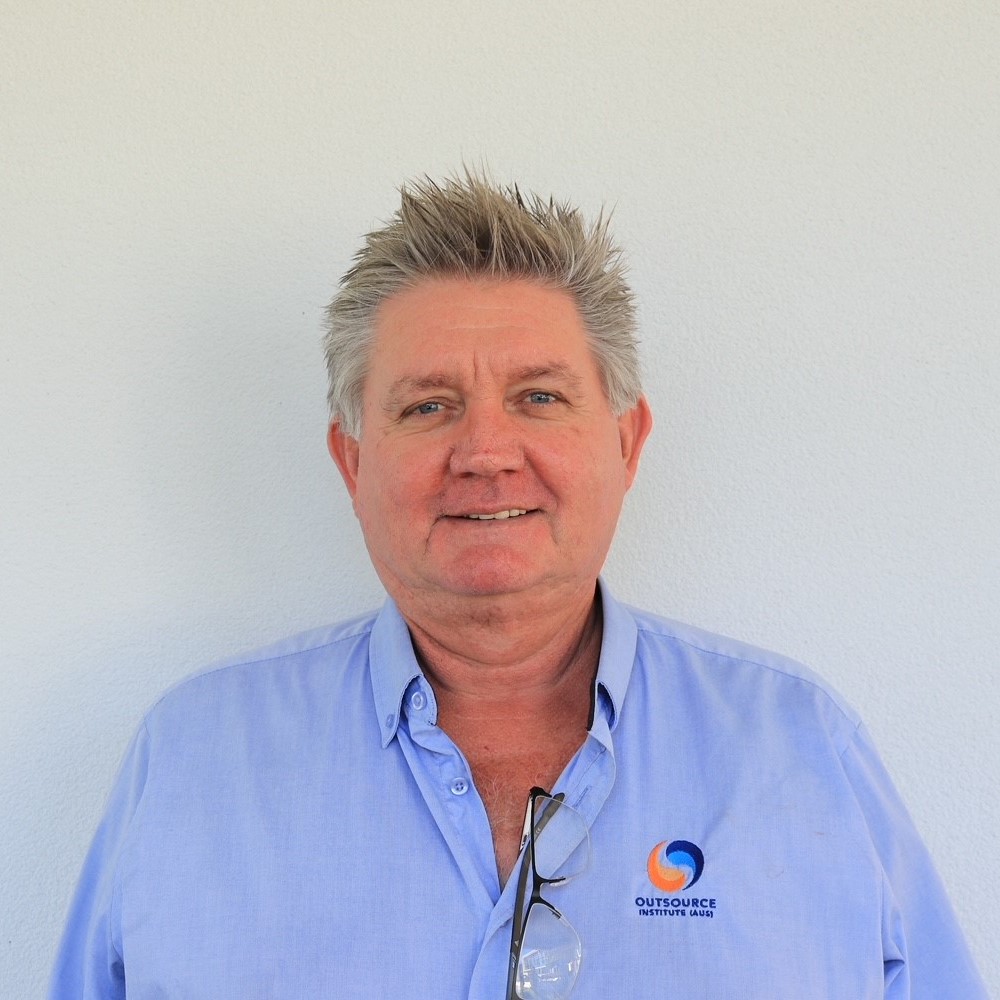
Neil Bennett

Rajendra Kumar (Raj)

Shane Michael
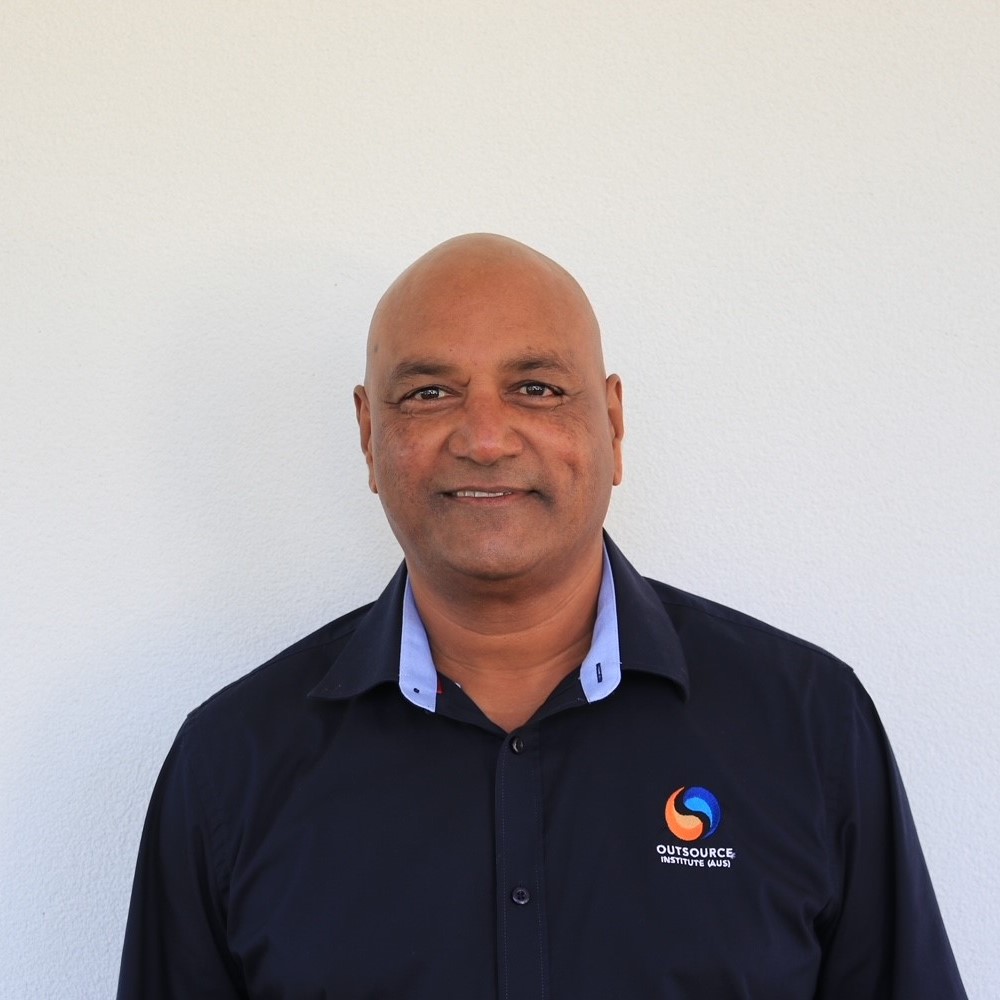
Indhiran Padayachee

Chris Henderson
What Employers Say About Us
“Our training partnership with Outsource Institute has enhanced skill levels at Queensland Gaskets and enabled us to meet the high-quality standards required by the defence industry.”

“We chose to upskill our workforce with Outsource Institute because they offered flexible delivery of the learning material, which kept our staff on-site and therefore at work.”
“We have been using the Outsource Institute for over six years. We have found their services to be extremely professional, and we always recommend their services to our partners.”
Why Outsource Institute are the #1 Choice for Engineering Training Courses in Australia
We’ve partnered with the best in the industry to ensure that you receive top-notch training and gain the confidence it takes to succeed in the industry.

Apprenticeships
Kickstart your career & learn from industry experts to become a qualified engineer.


Frequently Asked Questions
Do I need a licence to work on car air conditioning in Australia?
Yes. Handling refrigerant without a refrigerant handling licence is against the law. The licence for vehicle air conditioning is the AAC02, issued by the Australian Refrigeration Council.
Do I need to be a qualified mechanic before I start?
No. AUR20220 has no entry requirements. Most students are already in the trade and use it to add a licensed capability, but you can start without a trade qualification behind you.
What does an AAC02 licence actually let me do?
It covers work on air conditioning fitted to the cabin of a motor vehicle, and handling the refrigerant that goes with it. That means servicing, diagnosing, repairing and recovering refrigerant.
Can I do the course while I keep working?
Yes, and almost everyone does. Your trainer comes to your workplace and you train on the equipment you already use. There is no block release and no classroom weeks.